Seismic Blasting: What Is It and How Does It Affect Marine Life?
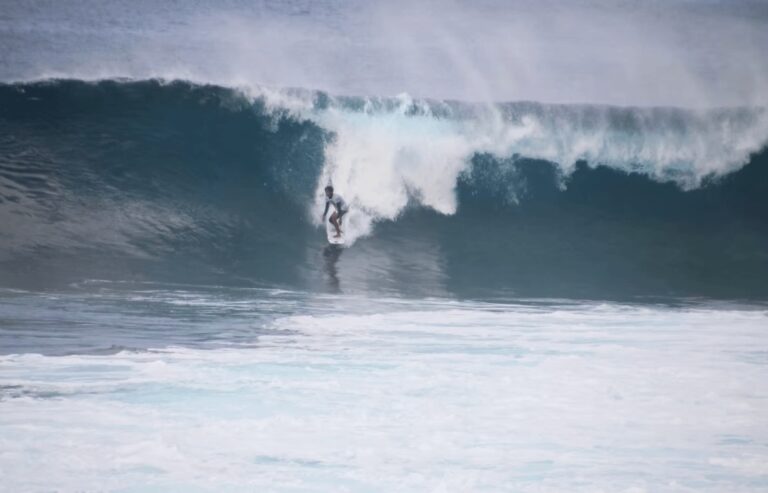
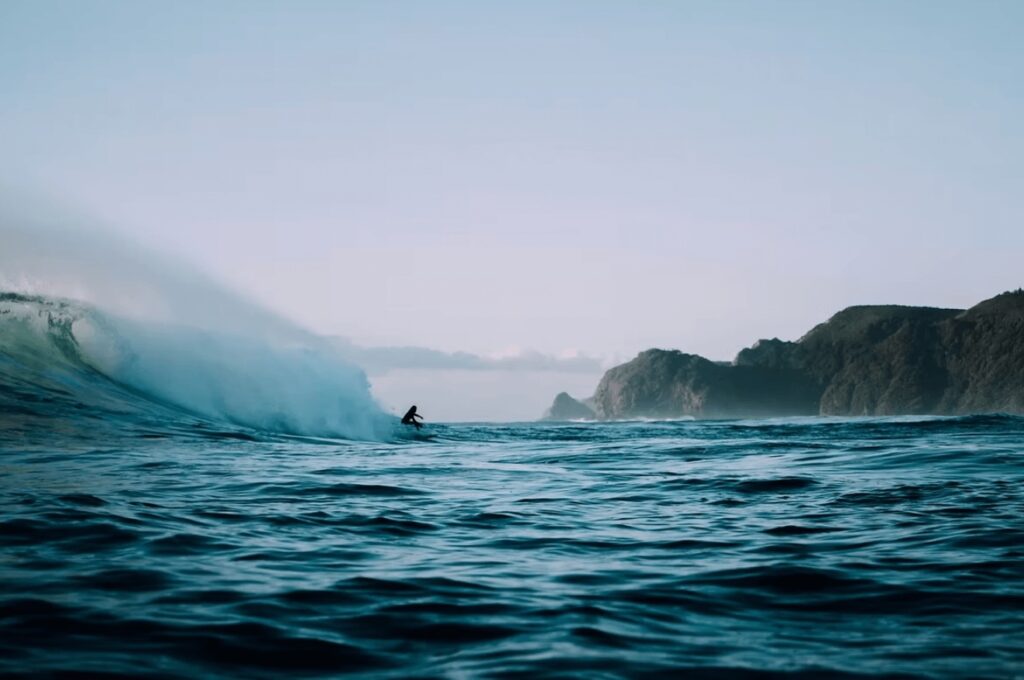
Perhaps you’ve seen images or read reports about surfers participating in paddle-outs against seismic blasting. But as it’s an issue that’s not widely spoken about, you might be wondering what seismic blasting is and why it’s concerning those who love to play along our coastlines.
Unfortunately, seismic blasting is impacting the ocean environments we love in southern Australia. So it’s an issue that’s close to our hearts and something we want to increase awareness about.
In this article, we’ll explain everything you need to know about seismic blasting and how it’s negatively impacting our ocean environments. Discover what you can do as an individual to raise awareness and help protect our marine life.
For more insights into marine conservation issues, check out our collection of articles here. They focus on everything from ocean acidification and mercury pollution to coral bleaching and the Great Pacific Garbage Patch.
What is seismic blasting?
Seismic testing is a first step in the complex process of oil and gas exploration in ocean environments. It involves specialised seismic survey vessels. These tow powerful air guns and audio receivers (known as hydrophones) as they cruise the open waters.
These air guns, which resemble large, metallic cannons, are engineered to fire intense blasts of highly compressed air into the water. This takes place at regular 10 to 15-second intervals.
The explosive force of these sonic pulses creates powerful sound waves that travel downward. They penetrate deep through the sedimentary rock layers and geological formations that make up the ocean floor.
As these sound waves encounter boundaries between different rock types and density changes within the seabed, portions of the sound energy are reflected back up towards the surface. The hydrophone receivers towed behind the vessel are able to detect and record these faint echoes bouncing back from the seafloor.
By closely analysing the patterns, strength and timing of these reflected sound waves, geologists are able to map out the underlying structure of the seabed in great detail.
This allows them to identify the most promising locations where oil and gas reserves may be trapped within the oceanic bedrock. Additionally, they can determine the viability of these potential fossil fuel deposits.
How does seismic blasting affect marine life?
Seismic blasting is an incredibly powerful and disruptive process. It is being carried out in some coastal areas for weeks or even months at a time.
The volume of these repeated sonic blasts is staggering. In fact, the noise generated by the seismic air guns can reach up to 250 decibels underwater. This level of sound intensity is needed in order to penetrate deep through solid rock formations.
However, comparing the extreme volume of seismic blasting to familiar noises above the water’s surface is an immense challenge. This is because the physics of how sound travels and is measured differ between the air and the ocean.
It’s also worth mentioning that the decibel scale used to quantify sound is not a linear one, but rather a logarithmic scale. This means that each increase of 10 decibels represents a 10-fold increase in the actual sound intensity.
So a 250-decibel seismic blast is not just slightly louder than the loudest whale calls, which max out around 190 decibels. It is, in fact, one million times more intense.
The devastating impacts of seismic blasting on marine life are becoming increasingly clear. Underwater, sound travels much faster and farther than it does through air. Notably, seismic blasts are capable of travelling hundreds or even thousands of kilometres.
As a result, the intensity of these blasts can have catastrophic effects on the marine life that calls the ocean home.
The marine creatures most vulnerable to seismic blasting are those that can’t easily escape the blast zone, like zooplankton and shellfish. Zooplankton are the tiny drifting animals that underpin ocean food chains. These include small crustaceans like krill and copepods, as well as the larvae of larger marine life like crabs, lobsters, octopi and fish.
Studies have found massive die-offs of zooplankton even 1.2 kilometres from a seismic blast site.
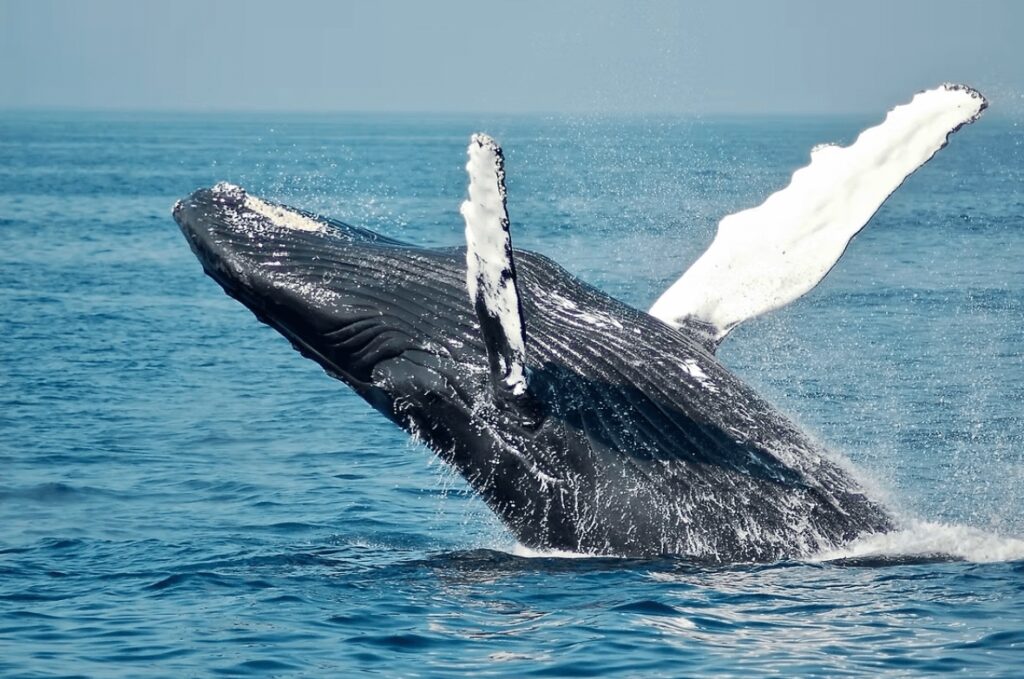
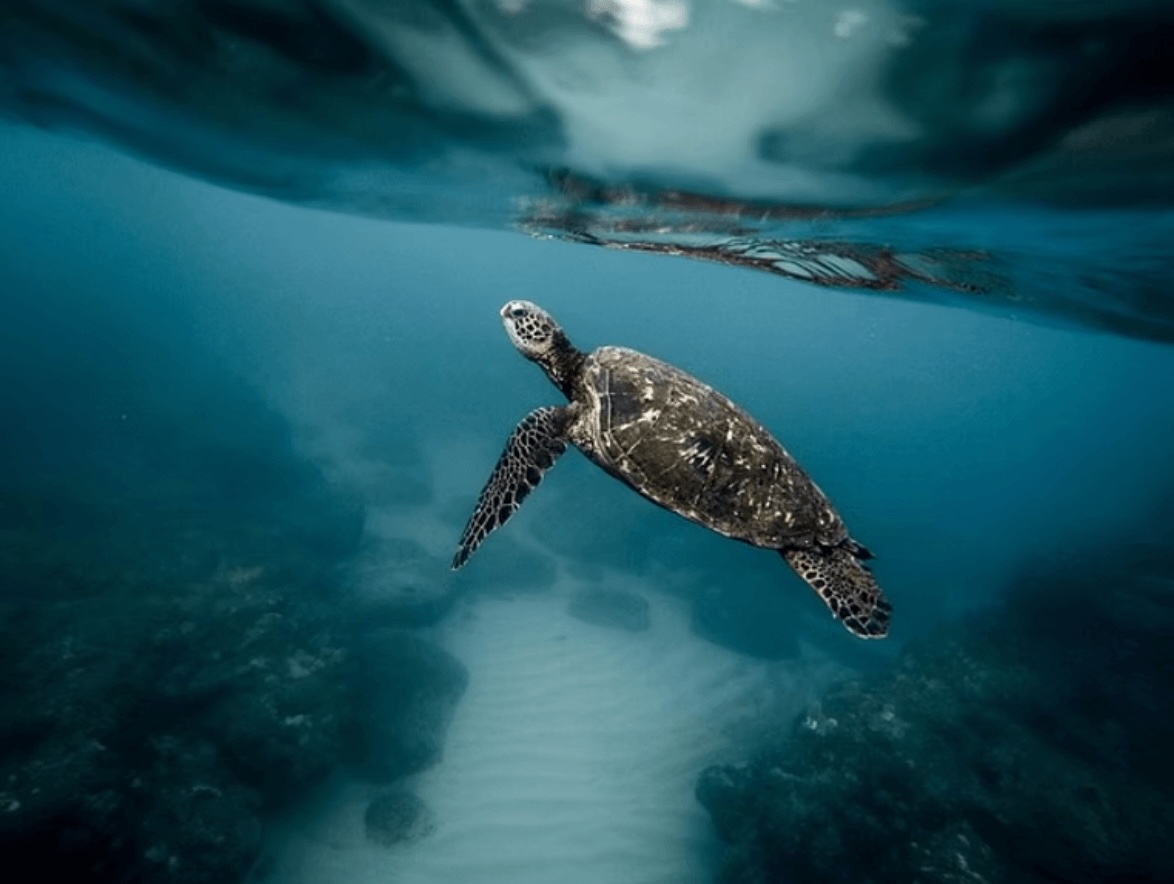
These blasts don’t just kill outright. They can also severely damage the sensitive hearing of whales and other large marine mammals, driving them away from critical feeding and breeding grounds. Dolphins, sea turtles and sea lions likely suffer similar auditory trauma.
It’s easy to imagine the profound distress these deafening blasts must cause for highly acoustic species like whales and dolphins. These marine animals rely on sound to navigate their underwater world and communicate over enormous distances.
Scallops and spiny lobsters, important commercial seafood species, also show severe impacts from exposure to seismic blasting. Scientists have recorded changes in behaviour, damage to their circulatory systems and weakened immune responses that make them more vulnerable to early death.
The effects on these species can have far-reaching consequences. Ultimately, they may reduce catch rates for fisheries and damage the long-term health of marine ecosystems.
Seismic blasting in Australia
Across Australia, the expansion of offshore oil and gas exploration and development is surging at an alarming rate. Based on scientific research, it may pose significant threats to the country’s marine ecosystems and coastal regions.
Over the past few years, the federal government has allocated more than 30 new offshore areas for oil and gas exploration. Some of the most concerning developments occur in ecologically sensitive regions like the Otway Basin.
American oil giant ConocoPhillips has already commenced seismic testing in the Zeehan Marine Park off the coast of Tasmania. The government continues to greenlight new exploration projects in other iconic coastal areas, including parts of Gippsland (Victoria) and the Kimberley (Western Australia).
The accelerating pace of these developments underscores the urgent need for decisive action to protect these irreplaceable natural treasures.
If we are to follow the recommendations of marine scientists, we must find alternative, less destructive ways to explore our oceans and meet our energy needs.
What can you do to help?
If you want to rally against seismic blasting or learn more, get in touch with your local marine conservation organisations and see how you can support their work.
Many surf-led organisations are planning paddle-outs in protest. Others have online petitions you can sign or letter templates to send to local members of government.
In Australia, check out the Australian Marine Conservation Society and Surfers for Climate. Both highlight the issues associated with seismic blasting.
Earth Justice and Surfrider Foundation are good sources of information in the United States.
Global organisations speaking out against the dangers of seismic blasting include Greenpeace and Oceana.
PLAN YOUR TRIP WITH OUR FAVOURITE RESOURCES:
Find hotels and resorts via Booking or Agoda
Book tours and experiences via Viator or GetYourGuide
Find a rental car via Discover Cars
Book flights via Kiwi or Booking
Search for buses and trains via 12Go or Omio
Get travel insurance via SafetyWing
Buy a digital eSIM with Airalo
By purchasing through our links, you’ll be supporting our website at no additional cost to you
-
Surfing and Environmental Activism: A Growing Movement
Surfing has always been more than a sport. It’s a culture shaped by natural forces – tides, winds, swells – and a lifestyle that depends on healthy ocean environments. So it’s no surprise that surfers are often engaged environmental activists, at both a local and global scale. As we’ve travelled around the world, we’ve loved…
-
Sustainable Snorkelling Tips for Ocean Advocates
You don’t need a scuba certification to fall in love with the ocean. Snorkelling is an equally magnificent way to explore coral reefs, seagrass meadows and the marine life that calls them “home”. In fact, snorkelling is often a gateway to scuba diving. Or sometimes, it’s the destination. We all snorkelled long before we ever donned…
-
How to Be a More Responsible Underwater Photographer
In recent decades, photography has become unbelievably accessible. Almost everyone carries a camera around with them everyday in the form of a smartphone. Technological improvements have also made underwater photography far more accessible, resulting in powerful images of a world that’s inaccessible to many. A single image of a healthy reef, a shark passing through…
-
Second-Hand Surf Gear: Embracing the Circular Economy
Surfing sells itself as a low-impact pursuit. All you need is a board and the ocean (and if you live where we do, a wetsuit!) What could be simpler? But behind this “at-one-with-nature” facade lies an industry built on short product cycles, seasonal “drops” and a steady turnover of gear due to new “innovations”. The…
-
How Coral Nurseries Work (And How Divers Can Join Planting Programs)
Coral reefs support an extraordinary diversity of marine life, and as divers, being able to explore them is one of life’s great privileges. But coral reefs are also among the most threatened habitats on the planet. Pollution, destructive fishing practices and climate change-induced coral bleaching are all having a devastating impact. In response, coral nurseries…
-
Are Wave Pools Sustainable? The Surf Park Environmental Debate
Nothing compares to surfing in the ocean. Full stop. For us, being at the whim of Mother Nature is a big part of surfing’s allure, and all things being equal, we’d pick the ocean over a wave pool every time. But with coastal communities under increasing pressure and surf breaks being flooded with people, are…

We are a team of passionate divers and surfers with decades of combined experience in the water and travelling to all corners of the globe.
After years of chasing waves and descending into the deep blue, we’ve created this resource to highlight sustainable surf camps, eco-dive resorts and conservation-focused ocean trips to help inspire your next adventure.
Eco Ocean Escapes was born out of a love of the ocean, an obsession with travel and a concern about the impacts of our adventures on the environments we explore.